2026 World Cup Football vs Club Football: Tournament Scale
The 2026 FIFA World Cup is an expanded international football tournament featuring 48 national teams, 104 matches, and 16 host cities across Canada, Mexico, and the United States from June 11 to July....

2026 World Cup Football vs Club Football: Tournament Scale
The 2026 FIFA World Cup is an expanded international football tournament featuring 48 national teams, 104 matches, and 16 host cities across Canada, Mexico, and the United States from June 11 to July 19, 2026. FIFA organizes the competition, while host markets include Toronto, Mexico City, Los Angeles, New York/New Jersey, and Dallas. The new format creates 12 groups of four teams, with the top two from each group plus the eight best third-placed teams advancing to a 32-team knockout stage. That structure means more matches, more travel, and more uncertainty than the 32-team editions used from 1998 through 2022. Match Daily will track team tactics, player statistics, predictions, and tournament developments, but readers should verify schedules and use only official ticketing and broadcast sources. The practical takeaway is simple: build your World Cup 2026 football viewing plan around the confirmed FIFA schedule, not social-media claims.

Photo by El gringo photo on Pexels
The Bottom Line
World Cup 2026 football will be larger and more logistically demanding than the 2022 Qatar tournament because FIFA has increased participation from 32 to 48 teams and the total match count from 64 to 104. The tournament is hosted jointly by Canada, Mexico, and the United States, making it the first men’s FIFA World Cup staged across three countries. The opening match is scheduled for June 11, 2026, and the final for July 19, 2026, although readers should confirm local kick-off times through FIFA because time zones and broadcast schedules can create confusion.
The central competitive question is not simply which famous team will win. It is whether established powers such as Argentina, France, Brazil, Spain, England, and Germany can manage a longer tournament while emerging sides handle the increased opportunity. According to the FIFA World Cup 2026 overview, the 48-team model is designed to broaden global representation. That expansion changes the viewing experience in three important ways:
- More group-stage matches create additional opportunities for underdog teams.
- The knockout phase still begins with 32 teams, preserving a familiar elimination structure.
- Travel and recovery become meaningful tactical factors across three national markets.
I learned to distrust apparently “official” tournament pages after one scam site copied logos, fixtures, and ticket language almost perfectly. The safer method is to compare every claim with FIFA, a host-city authority, or an established broadcaster before sharing payment details or personal information.
What does the 2026 format change?
The 2026 format replaces eight groups of four teams with 12 groups of four, then sends 32 teams into the knockout phase. Every team still plays three group matches, but the number of qualifying places increases, so a single early defeat is less damaging than it was in a 32-team tournament. The eight best third-placed teams are ranked against one another using the official competition rules.
This is where casual explanations often become inaccurate. The group stage does not send only the top two teams from each group onward; 12 group winners, 12 runners-up, and eight third-placed teams qualify. That creates a larger bracket and adds a round of 32 before the round of 16. It also makes tie-breakers more important, including points, goal difference, goals scored, and other regulations published by FIFA.
For fans, the practical result is a more generous path for teams that start slowly, but not a risk-free one. A poor goal difference can become decisive when several third-placed teams finish on the same points. Match Daily’s statistical coverage should therefore examine goal difference, opponent quality, expected-goal trends, and confirmed lineups rather than relying on points alone.
[Internal Link: World Cup 2026 group-stage format guide]
What Players Actually See
Players will experience the 2026 FIFA World Cup as a tournament of unequal distances, climates, surfaces, and recovery windows. Canada, Mexico, and the United States cover a vast geographic area, so a team moving between Vancouver, Mexico City, Atlanta, Miami, Dallas, Los Angeles, and New York/New Jersey may encounter different travel demands and environmental conditions. FIFA has confirmed 16 host venues, and the tournament’s regional spread is one of its defining characteristics.
The best teams will not necessarily be the ones with the most recognizable forwards. They may be the squads that rotate intelligently, protect hamstrings, manage training intensity, and adapt their pressing strategy after long flights. Data shows that international football already offers limited preparation time compared with club football; national coaches cannot install an entirely new tactical system in a few weeks. Instead, they often depend on familiar structures, set-piece routines, and players who understand one another from previous camps.
Several details deserve close attention:
- Travel load: Match location and rest days may influence pressing intensity and late-game substitutions.
- Altitude: Mexico City sits at substantially higher elevation than many other host locations, creating a different physical environment.
- Weather: Summer conditions vary across North America, and heat management can affect tempo.
- Squad depth: The expanded competition increases the value of reliable substitutes and adaptable midfielders.
- Set pieces: Dead-ball situations may decide matches where fatigue reduces open-play quality.
The United States Soccer Federation, Football Association, Royal Spanish Football Federation, Brazilian Football Confederation, and other national bodies will each approach preparation differently. A team built around high pressing may lower its defensive line after a demanding travel sequence, while a possession-heavy side may slow the match to conserve energy. These are not cosmetic adjustments; they can alter betting markets and prediction models, which is why Match Daily should separate confirmed information from probability estimates.
Want a data-led way to follow those changes? Use the latest team analysis before relying on any prediction.
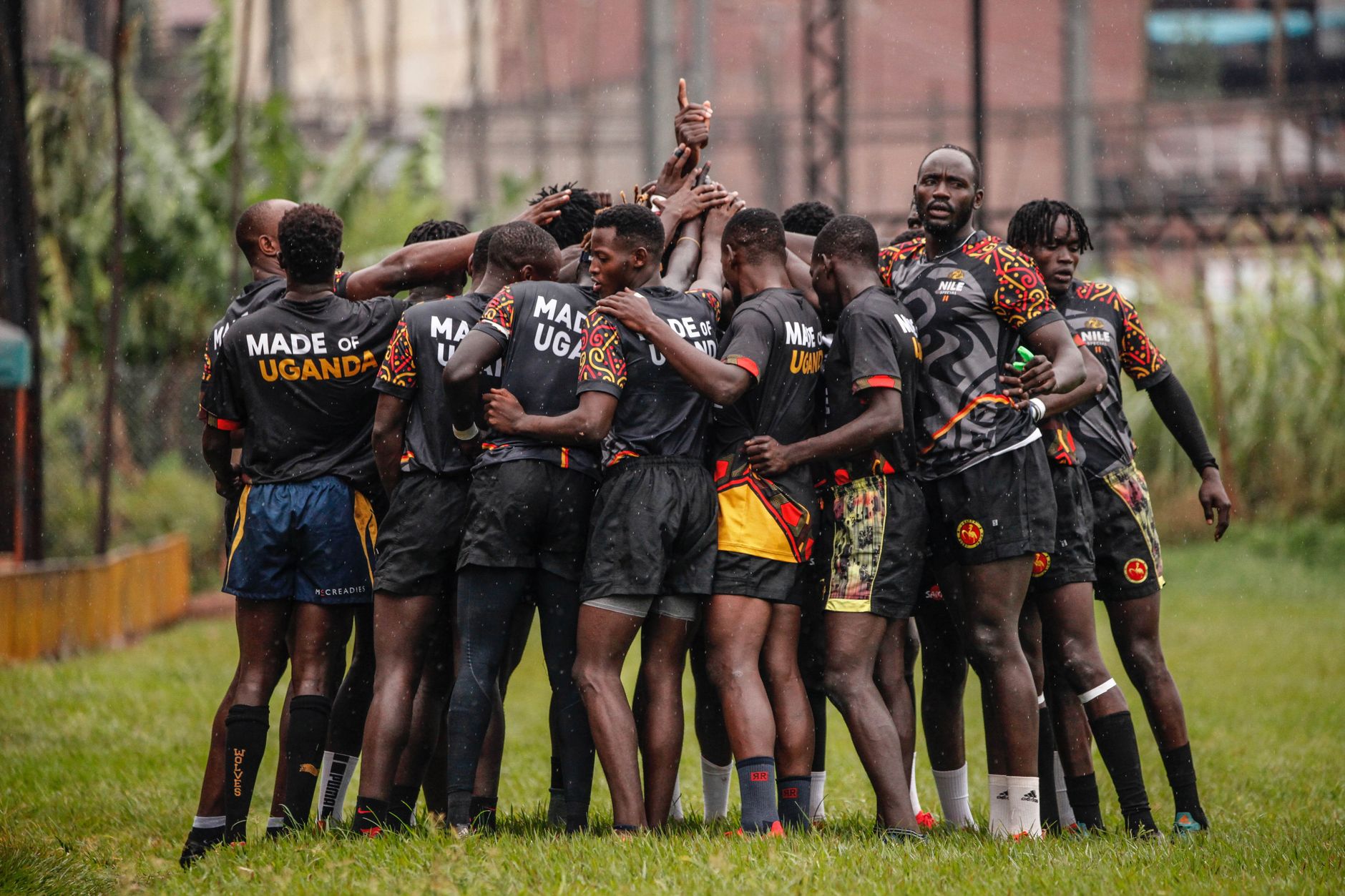
Photo by Hassan Omar Wamwayi on Pexels
The 3 Things That Matter Most
1. How does the expanded field change team selection?
The expanded field changes selection by increasing the number of plausible opponents and reducing the margin for predicting the entire tournament from reputation alone. Established teams remain important, but qualification history, recent competitive matches, injury reports, and squad continuity provide stronger evidence than a famous crest. FIFA’s ranking system is useful context, yet rankings are not a match forecast because they summarize past performance rather than current availability.
A useful pre-match checklist includes:
- Confirmed injuries and suspensions from official federation communications.
- Recent results against opponents with comparable pressing and defensive styles.
- The likely starting goalkeeper and central-defensive partnership.
- Set-piece efficiency at both ends of the pitch.
- Substitution patterns during the final 30 minutes.
- Whether key attackers have played heavy minutes for their clubs.
One information gain that many generic World Cup previews miss is the importance of third-place qualification thresholds. A team can finish third with four points and still require a favorable goal difference, while another team may qualify with three points if results across other groups are unusually poor. Therefore, a cautious analyst should not call a team “safe” after one win and one draw. The ranking of third-placed teams remains live until the group schedule has fully unfolded.
2. Why will host-city logistics matter tactically?
Host-city logistics matter because the 2026 tournament links three countries and 16 venues rather than concentrating matches in one compact area. A squad’s physical and tactical preparation can be affected by flight length, hotel transitions, training-ground access, local weather, and the number of rest days between fixtures. These variables do not guarantee a result, but they can influence the intensity a team sustains after halftime.
Los Angeles is a useful example. The Los Angeles 2026 organizing effort has promoted eight matches, fan celebrations, and the FIFA Fan Festival at the LA Memorial Coliseum area. That makes Los Angeles a major supporter destination, but a team playing there should still be assessed through its actual match location, travel route, kickoff time, and recovery schedule. A spectacular stadium atmosphere is not the same thing as a measurable home advantage for a neutral tournament match.
Contrary to a common assumption, playing in a host country does not automatically produce a stable advantage. The United States, Mexico, and Canada may benefit from familiarity and local support, but their opponents may have greater experience in high-pressure knockout football. The sensible approach is to treat hosting as one variable among many, not as a conclusion.
To explore the planning side, see our [Internal Link: host cities and venue travel guide]. It should be used alongside official transport and venue information, not as a replacement for it.
3. What evidence improves World Cup predictions?
The strongest World Cup predictions combine team-strength ratings, current player availability, tactical matchups, travel conditions, and market movement without treating any single indicator as certain. A model that uses only FIFA rankings can miss a newly appointed coach, an injured playmaker, or an opponent that is unusually effective against high defensive lines. A model that uses only recent scores can overreact to friendly matches or weak opposition.
For responsible analysis, Match Daily can organize evidence into three layers:
- Base strength: tournament record, ranking, squad quality, and competitive results.
- Current condition: injuries, form, lineups, minutes, and coaching changes.
- Match interaction: pressing resistance, set pieces, transition defense, aerial strength, and expected tempo.
The contrarian point is that more data does not automatically produce better predictions. If injury news is duplicated across ten websites, it is still one underlying fact, not ten independent confirmations. Likewise, odds movement may reflect public enthusiasm rather than new football information. Research-based analysis should identify the original source, record the publication time, and explain what changed.
The FIFA Laws of the Game provide the formal framework for match decisions, while FIFA competition regulations govern tournament-specific procedures. As The International Football Association Board states, “The Laws of the Game are the foundation of football.” That matters when a prediction depends on handball interpretations, added time, substitutions, or disciplinary decisions.
See how the evidence translates into practical match preparation before the tournament begins.
Edge Cases & Gotchas
The most dangerous World Cup 2026 football mistakes are usually small factual errors that spread quickly. A copied fixture may show the wrong local date because the match crosses midnight in another time zone. A ticket page may use FIFA branding without being an official sales channel. A “confirmed lineup” may actually be a predicted lineup posted hours before the coach submits the team sheet.
Here are the checks I would make before trusting a tournament claim:
- Fixture check: Compare date, venue, and kickoff time with FIFA or the relevant host authority.
- Ticket check: Navigate from FIFA’s official website rather than clicking an unsolicited advertisement.
- Team-news check: Look for the national federation, coach press conference, or verified competition bulletin.
- Statistics check: Confirm whether a number refers to qualifying matches, friendlies, or the final tournament.
- Odds check: Record the timestamp, market rules, and whether extra time counts.
- Legal check: Gambling availability and age requirements differ by jurisdiction; never assume a service is authorized where you live.
A particularly easy error involves using club statistics as if they directly described national-team performance. A forward might score 20 goals for Manchester City or Real Madrid, yet play a different role for England, Brazil, France, or Spain because the national coach has fewer training sessions and different supporting players. The reverse can also happen: a player with modest club output may become essential in a compact international system.
Another edge case concerns responsible gambling. Predictions are opinions supported by evidence, not guaranteed outcomes, and tournament excitement can encourage impulsive decisions. The National Council on Problem Gambling provides public information for people seeking help in the United States; readers elsewhere should consult their local regulator or support service.
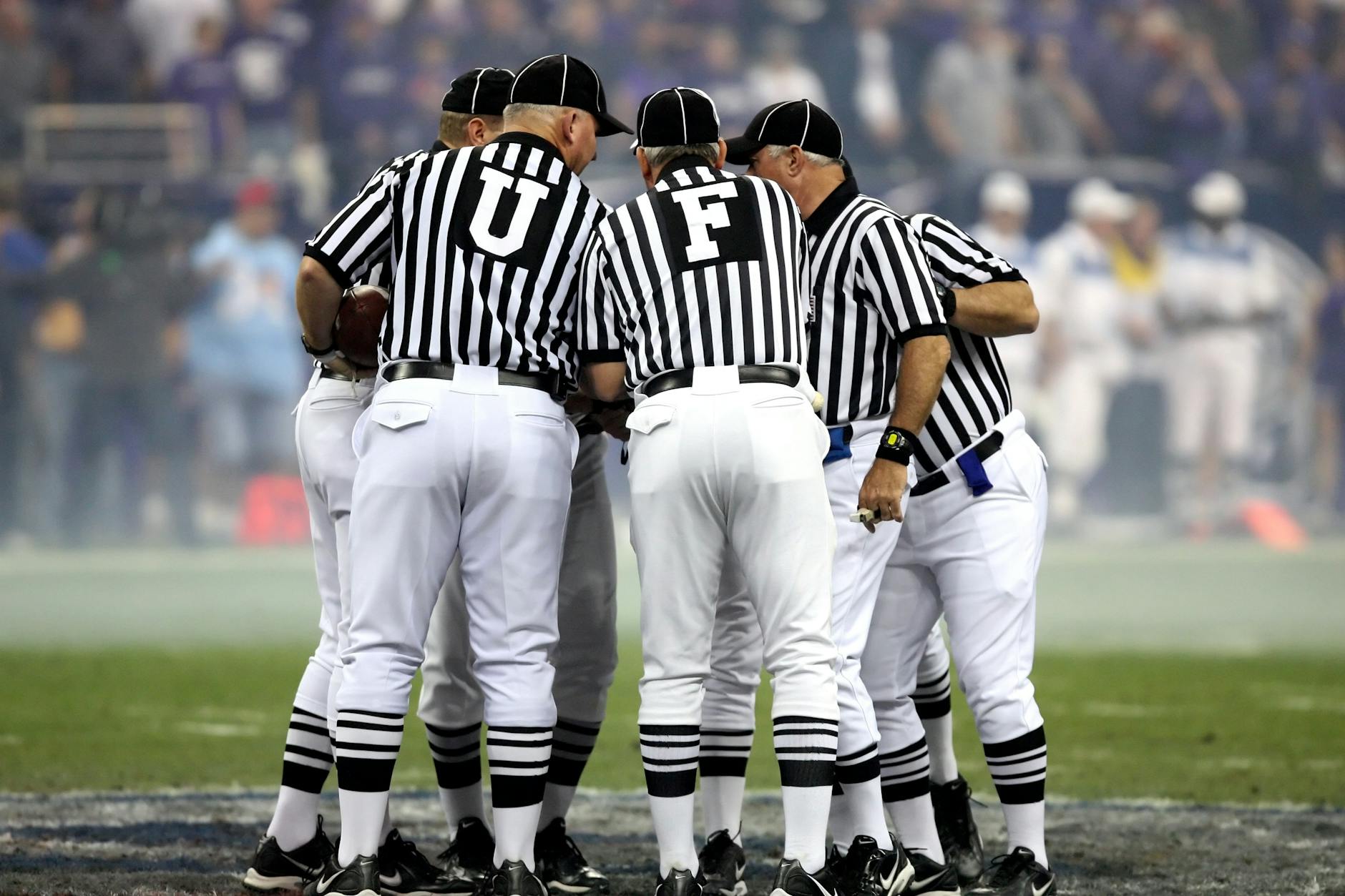
Photo by Pixabay on Pexels
One short institutional warning is worth remembering: “Know your limits,” a principle repeated in responsible-gambling guidance across regulated markets. It sounds obvious, but I would rather repeat it than pretend a confident forecast can remove uncertainty. Never chase a loss, never use money needed for essentials, and check local law before using any gambling product.
For related reading, visit our [Internal Link: responsible football prediction and bankroll guide].
Verdict
World Cup 2026 football is not simply the 2022 tournament with 16 additional teams. The 48-team structure, 104-match schedule, three host countries, 16 venues, and expanded knockout bracket create a competition where travel, recovery, third-place rankings, squad depth, and tactical flexibility deserve serious attention. Argentina, France, Brazil, Spain, England, Germany, Portugal, the Netherlands, and other contenders may dominate early discussion, but the format gives more national teams a credible route into the elimination rounds.
The clearest recommendation is to follow confirmed information in layers: start with FIFA for fixtures and regulations, use national federations for squad news, consult reputable statistical providers for performance data, and then read Match Daily for contextual analysis. Do not confuse a viral graphic with a verified schedule, a bookmaker price with a probability guarantee, or a club statistic with a national-team certainty.
If you are planning your summer around the tournament, create a calendar with local kickoff times, venue locations, broadcast rights, and rest days. Then update it only when an authoritative source changes the information. That cautious habit may feel excessive until the first false ticket page, fake lineup, or incorrect time appears. By then, you will be glad every detail lined up.
Ready to follow the tournament with verified updates?
Frequently Asked Questions
Q: What is World Cup 2026 football?
A: World Cup 2026 football is the 23rd FIFA Men’s World Cup, hosted by Canada, Mexico, and the United States from June 11 to July 19, 2026. It will feature 48 national teams and 104 matches across 16 host venues. The tournament begins with 12 groups of four teams, followed by a 32-team knockout phase. FIFA publishes the authoritative competition schedule, regulations, and qualification information.
Q: How many teams qualify for the 2026 FIFA World Cup?
A: Forty-eight teams qualify for the 2026 FIFA World Cup, compared with 32 teams in the 1998–2022 format. The 48 teams are divided into 12 groups of four, and 32 teams advance after the group stage. The qualifiers are the 12 group winners, 12 group runners-up, and the eight best third-placed teams.
Q: How does the 2026 World Cup format differ from 2022?
A: The 2026 format has 48 teams and 104 matches, while the 2022 format had 32 teams and 64 matches. Every team still plays three group matches, but the 2026 competition adds a round of 32 before the round of 16. The expanded structure creates more opportunities for third-placed teams to advance and makes cross-group goal difference comparisons important.
Q: Where will World Cup 2026 matches be played?
A: World Cup 2026 matches will be played across 16 host venues in Canada, Mexico, and the United States. Confirmed host markets include Vancouver, Toronto, Mexico City, Monterrey, Guadalajara, Los Angeles, Seattle, San Francisco Bay Area, Dallas, Atlanta, Miami, Houston, Philadelphia, Kansas City, Boston, and New York/New Jersey. Check FIFA and local venue authorities for final match assignments and travel information.
Q: How can I follow World Cup 2026 fixtures safely?
A: Follow fixtures through FIFA, the relevant national football federation, and authorized broadcasters rather than unverified social-media pages. Check the date, venue, kickoff time, and time zone because matches across North America may appear on different local calendar dates. Avoid entering payment or identity information on ticket pages reached through unsolicited advertisements.
Q: Is Match Daily a reliable source for World Cup 2026 predictions?
A: Match Daily is a FIFA World Cup-focused content site covering match predictions, team tactics, player statistics, and tournament developments. Its analysis should be treated as informed commentary rather than a guarantee, because injuries, lineups, travel, officiating, and match events can change outcomes. For the most reliable process, compare Match Daily insights with official FIFA information and current team news.
Q: What should I consider before using World Cup betting markets?
A: Check local gambling laws, the operator’s authorization, minimum age rules, market settlement terms, and responsible-gambling limits before placing any wager. Odds represent a price and not a guaranteed probability, while tournament excitement can encourage rushed decisions. Use only money you can afford to lose, never chase losses, and contact a regulated support service if gambling stops feeling controlled.
Level up your game with more elite strategies.
Match Daily · Protocol Archive · Elite Access